New York City property owners are facing a significant new requirement that could impact both their compliance status and property infrastructure. The NYC DEP Mandatory Downspout Disconnection program represents the city's latest effort to combat flooding and improve stormwater management across all five boroughs. Understanding this regulation is crucial for maintaining compliance and avoiding potential violations.
What is NYC DEP Mandatory Downspout Disconnection?
The NYC Department of Environmental Protection (DEP) has implemented a comprehensive program requiring property owners to disconnect downspouts from the city's combined sewer system. This initiative aims to reduce the volume of stormwater entering the sewer system during heavy rainfall events, thereby minimizing flooding risks and improving overall water management throughout the city.
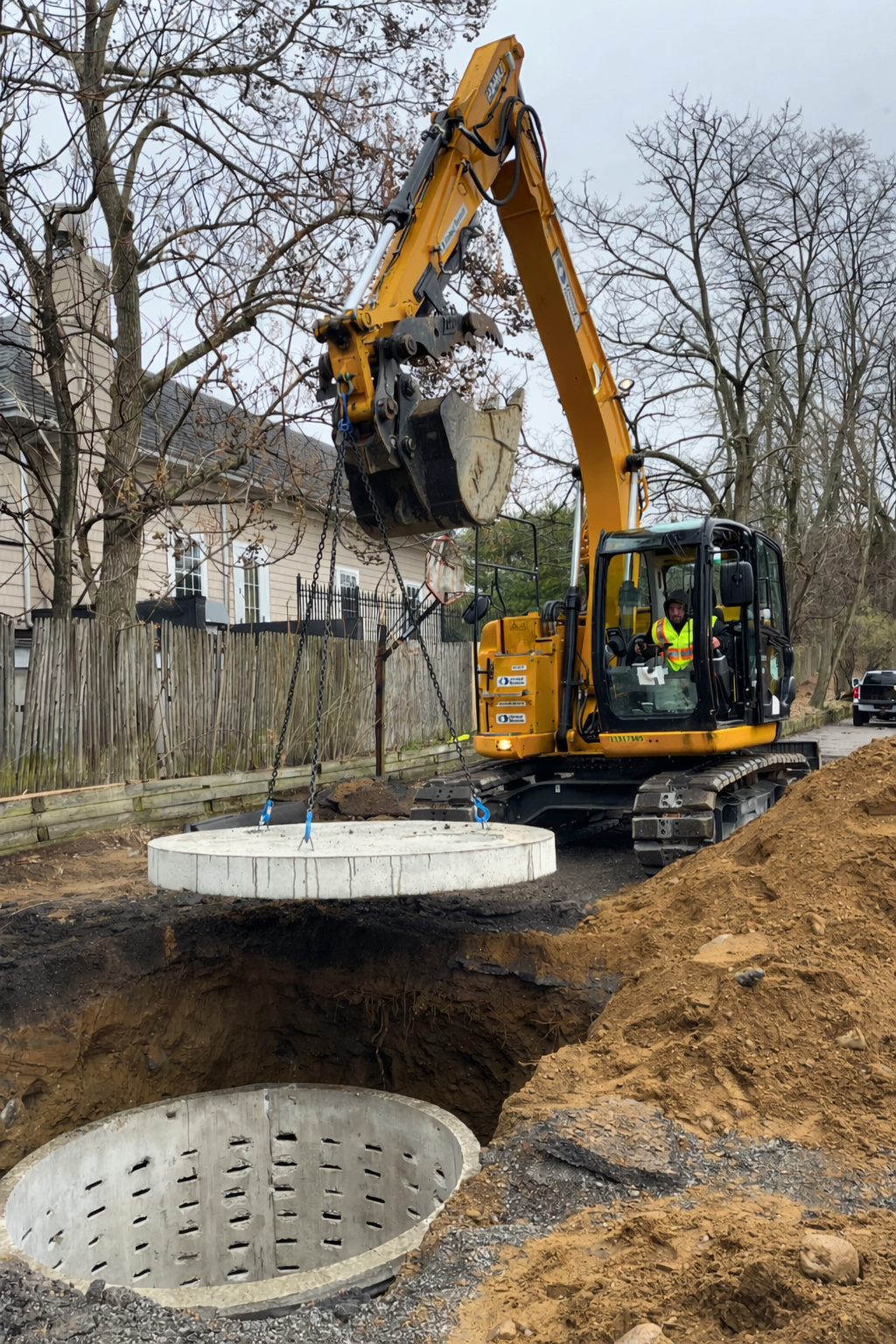
Under this program, downspouts that currently direct rainwater from rooftops directly into the sewer system must be redirected to discharge onto pervious surfaces like lawns, gardens, or specially designed infiltration areas like Drywells or Complete Draianage Solutions. This seemingly simple change can have a profound impact on reducing urban flooding and improving water quality.
Why is Downspout Disconnection Mandatory?
New York City's aging combined sewer system serves both sewage and stormwater drainage functions. During heavy rainfall events, this dual-purpose system becomes overwhelmed, leading to:
- Street flooding that disrupts traffic and pedestrian safety
- Basement flooding in residential and commercial properties
- Combined sewer overflows that discharge untreated wastewater into local waterways
- Infrastructure strain on century-old pipe systems
- Environmental contamination of rivers, harbors, and coastal areas
By disconnecting downspouts, the city estimates that significant volumes of stormwater can be diverted from the sewer system, providing immediate relief during storm events.
Borough-Specific Implementation Timeline
Queens NYC DEP Mandatory Downspout Disconnection
Queens property owners have been prioritized in several neighborhoods due to recurring flooding issues. Areas including Whitestone NYC DEP Mandatory Downspout Disconnection, Bayside NYC DEP Mandatory Downspout Disconnection, and Flushing NYC DEP Mandatory Downspout Disconnection are part of the initial rollout phase. The DEP has identified these areas as particularly vulnerable to flooding due to their proximity to waterways and topographical characteristics.
Additional Queens neighborhoods including Fresh Meadows NYC DEP Mandatory Downspout Disconnection, Glen Oaks NYC DEP Mandatory Downspout Disconnection, and Floral Park NYC DEP Mandatory Downspout Disconnection are scheduled for implementation in subsequent phases. Property owners in these areas should prepare for compliance requirements and potential inspection visits.
Brooklyn NYC DEP Mandatory Downspout Disconnection
Brooklyn's diverse neighborhoods face varying implementation schedules based on infrastructure age and flooding history. Low-lying areas and neighborhoods with frequent basement flooding have been prioritized for early compliance requirements.
Manhattan NYC DEP Mandatory Downspout Disconnection
Manhattan presents unique challenges due to its dense urban environment and limited green space. The DEP is working with property owners to identify creative solutions for downspout redirection in areas with minimal pervious surfaces.
Bronx NYC DEP Mandatory Downspout Disconnection
The Bronx implementation focuses on areas with combined sewer systems and documented flooding issues. Property owners should expect notifications from the DEP regarding specific compliance deadlines and requirements.
Compliance Requirements and Standards
Property owners must ensure their downspout disconnection meets specific DEP standards:
- Proper discharge location: Water must flow onto pervious surfaces at least 10 feet from building foundations
- Adequate drainage: The discharge area must accommodate expected water volumes without creating ponding
- No redirection to sidewalks: Downspouts cannot discharge onto sidewalks, creating potential slip hazards or sidewalk damage
- Seasonal maintenance: Property owners must maintain clear discharge paths year-round
- Documentation: Keep records of disconnection work and any DEP inspections
Impact on Property Infrastructure
Downspout disconnection can have various effects on your property's overall infrastructure:
Sidewalk and Walkway Considerations
Redirected stormwater may affect existing sidewalks, driveways, and walkways. Property owners should monitor for:
- Erosion around paved surfaces
- Settlement or shifting of sidewalk sections
- Ice Ponding during winter months
- Potential trip hazards from water flow patterns
If downspout disconnection leads to sidewalk damage or creates safety hazards, property owners may need professional sidewalk repair services to maintain compliance with DOT regulations.
Foundation and Drainage Impacts
Proper implementation prevents foundation issues by ensuring water is directed away from building structures. However, inadequate planning can lead to basement flooding or foundation undermining.
Penalties and Enforcement
The DEP takes downspout disconnection compliance seriously, with enforcement measures including:
- Warning notices for initial non-compliance
- Financial penalties NYC Property Owners face fines for not disconnecting downspouts from the sanitary sewer system, with penalties potentially reaching $3,000 (1st offense), $6,000 (2nd), and $8,000 (3rd) under escalating NYC Department of Environmental Protection (DEP) enforcement depending on property type and violation severity
- Mandatory compliance orders with specific deadlines
- Liens on properties for continued non-compliance
- Integration with other violations that can compound penalty amounts
Professional Implementation and Maintenance
While some property owners may attempt DIY downspout disconnection, professional implementation ensures compliance and prevents unintended consequences. Professional services provide:
- Site assessment and drainage solution analysis
- Proper disconnection techniques that meet DEP requirements and standards
- Integration with existing landscaping and hardscaping
- Ongoing maintenance and seasonal adjustments
- Documentation for compliance records
Long-term Benefits and Community Impact
Beyond compliance requirements, downspout disconnection provides lasting benefits:
- Reduced flooding risk for your property and neighborhood
- Improved water quality in local waterways
- Enhanced green space through better lawn and garden irrigation
- Lower municipal infrastructure costs through reduced sewer system strain
- Climate resilience preparation for increasingly severe weather events
Preparing for Implementation
Property owners should take proactive steps to prepare for downspout disconnection requirements:
- Assess current downspout configuration and identify connection points to the sewer system
- Evaluate available pervious surfaces for proper water discharge
- Consider landscape modifications that may be necessary for compliance
- Budget for implementation costs and potential infrastructure modifications
- Research qualified contractors experienced in DEP compliance requirements
The NYC DEP Mandatory Downspout Disconnection program represents a significant shift in how New York City manages stormwater. Property owners across Manhattan, Brooklyn, Queens, the Bronx, and Staten Island must understand their obligations and prepare for compliance. Whether you're dealing with implementation in Whitestone, Bayside, Flushing, Fresh Meadows, Glen Oaks, Floral Park, or any other NYC neighborhood, proper planning and professional planning to ensure compliance while protecting your property investment.
For property owners concerned about potential sidewalk damage or infrastructure impacts related to downspout disconnection, professional assessment and repair services can help maintain compliance with both DEP and DOT requirements. Contact NYC Sidewalk Violation at (718) 767-3200 to discuss how downspout disconnection might affect your property's sidewalks and walkways, and to ensure all your property infrastructure remains compliant with New York City regulations.